What Is Title 5 in Massachusetts?
Proper septic design is critical to protecting both property and the environment. Prime Engineering provides complete Title 5 septic system design, repair, and replacement services across Massachusetts. Our licensed civil engineers work directly with homeowners, contractors, and Boards of Health to ensure every design meets state and local standards for safety, functionality, and compliance.
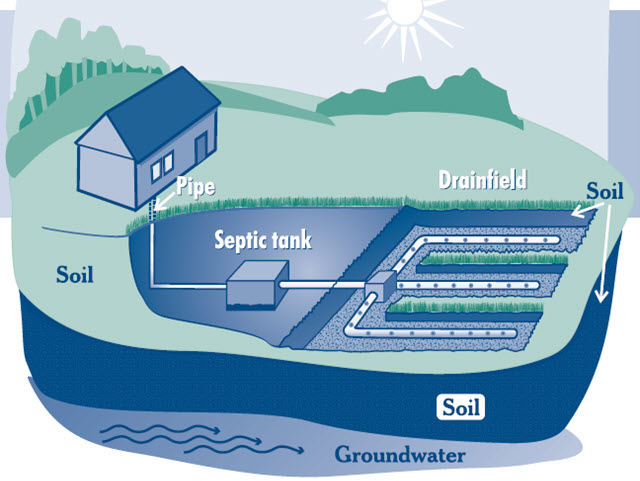
Title 5 refers to 310 CMR 15.000, the Massachusetts regulation governing the design, installation, upgrade, and inspection of on-site septic systems.
The regulation is administered by the
Massachusetts Department of Environmental Protection
and enforced locally by city and town Boards of Health.
Title 5 exists to:
-
Protect groundwater and drinking water supplies
-
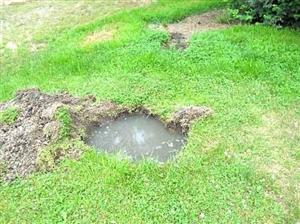
Prevent sewage exposure and surface discharge
-
Ensure systems function safely over the long term
Our Service Areas:
Proudly serving communities across:
-
Central Massachusetts –Worcester County - Worcester, Leominster, Gardner, Fitchburg
-
Southeastern Massachusetts – Plymouth County - Bridgewater, Middleborough, Taunton, Lakeville | Bristol County - Fall River, New Bedford
-
Coastal Massachusetts & Cape Cod – Barnstable County - Barnstable, Falmouth, Yarmouth
Boundary & Property Line Surveys
Define property ownership clearly and prevent costly disputes.
Construction Staking & Site Layout
Translate your plans into precise field positions that keep builds on track.
Topographic & GIS Mapping
Visualize terrain and infrastructure for smarter planning.
Wetland & Environmental Surveys
Stay compliant with Massachusetts and federal environmental regulations.
When Do Title 5 Septic Regulations Apply?
Title 5 requirements are triggered in several common situations:
- Property Sale or Transfer: Most residential properties in Massachusetts require a Title 5 inspection before sale or transfer of ownership.
- Failing or Nonconforming Systems: Systems showing hydraulic failure, sewage breakout, or groundwater contamination must be repaired or redesigned.
- Home Additions or Bedroom Increases: Adding bedrooms, finished basements, or accessory dwelling units often requires a capacity review or system redesign.
- New Construction: All new septic systems must be designed and approved in full compliance with Title 5 prior to installation.
What Causes a Septic System to Fail Title 5?
Some of the most common Title 5 failure reasons include:
-
High groundwater levels
-
Inadequate system size for current bedroom count
-
Leaching areas too close to wetlands or water bodies
-
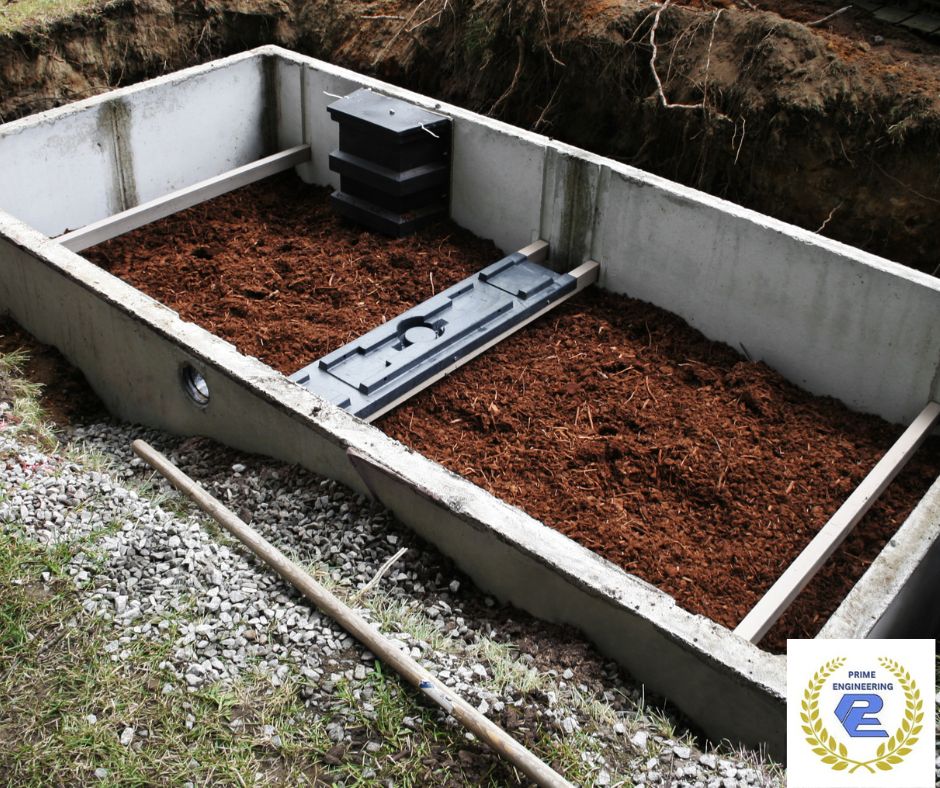
Structural deterioration of tanks or pipes
-
Illegal modifications or undocumented upgrades
Many of these issues cannot be solved by simple repair and instead require a professionally engineered solution.
Title 5 vs. Local Board of Health Requirements
While Title 5 sets the state minimum standards, local Boards of Health can (and often do) enforce stricter regulations, including:
-
Increased setbacks from wetlands or wells
-
Seasonal installation restrictions
-
Additional soil testing requirements
-
Enhanced treatment system mandates
This is why septic projects in Massachusetts should always be evaluated site-specifically, not based on general assumptions.
When Is a Septic Engineer Required?
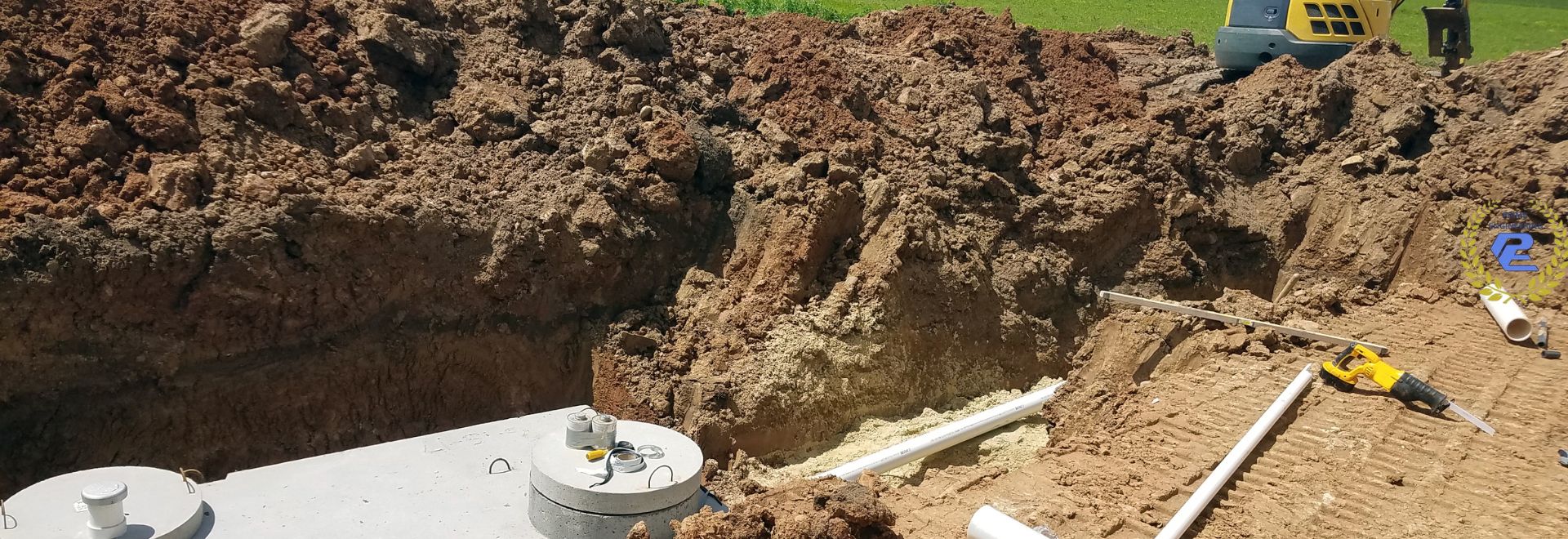
A licensed septic engineer is typically required when:
-
A system has failed Title 5 inspection
-
A lot has space, soil, or wetland constraints
-
An advanced or alternative system is proposed
-
A redesign is required for property transfer or expansion
For projects that require engineering plans, see our Septic System Design & Redesign in Massachusetts services page for a full overview of how engineered septic solutions are developed and approved.
Why Title 5 Compliance Often Requires Redesign
Title 5 compliance is not just about passing inspection — it’s about ensuring the system meets current environmental and public health standards.
Older systems frequently fail because:
-
Regulations have changed
-
Property use has expanded
-
Environmental conditions have shifted
In these cases, redesigning the system to modern standards is the only long-term, approvable solution.
How Prime Engineering Helps Navigate Title 5
Prime Engineering works with homeowners, buyers, sellers, and developers to:
-
Evaluate Title 5 compliance risk
-
Coordinate soil testing and site evaluations
-
Design compliant replacement or upgraded systems
-
Prepare plans for Board of Health approval
-
Support real estate and permitting timelines
Our local experience across Massachusetts helps reduce surprises and keep projects moving efficiently.
Next Steps If Your System Is Affected by Title 5
If your property is subject to Title 5 requirements, early evaluation is the best way to avoid delays and unexpected costs.
-
Planning a sale or transfer
-
Dealing with a failed inspection
-
Considering an addition or expansion
Professional guidance can make the difference between a smooth approval process and a stalled project.
Frequently Asked Questions About Title 5 in Massachusetts
Do all homes in Massachusetts need to comply with Title 5?
Yes. Any property in Massachusetts with a septic system must comply with Title 5 regulations, particularly during property transfer, system failure, or when changes are made that affect wastewater flow.
Is a Title 5 inspection required to sell a home?
In most cases, yes. A passing Title 5 inspection is typically required before the sale or transfer of a property unless a waiver or conditional approval is granted by the local Board of Health.
What happens if a septic system fails Title 5?
If a system fails, the owner is usually required to repair or replace the system within a defined timeframe set by the local Board of Health. In many cases, professional engineering plans are required before approval can be granted.
Can a home be sold with a failed Title 5 inspection?
Yes, but only under specific conditions. Buyers and sellers may enter into agreements that include repair escrows or conditional approvals, subject to Board of Health acceptance.
Are older septic systems automatically non-compliant?
No. Older systems may be considered “grandfathered” if they are functioning properly. However, changes to property use, failures, or inspections triggered by sale can require upgrades to meet current standards.
Do Title 5 rules differ by town?
Yes. While Title 5 sets statewide minimum standards, local Boards of Health often enforce stricter requirements related to setbacks, system types, or installation timelines.
When is a septic engineer required under Title 5?
A septic engineer is typically required when a system fails inspection, when site conditions are constrained, or when a replacement or upgrade must meet current regulatory standards. Engineered plans are submitted for Board of Health approval.
For projects requiring professional engineering oversight, see our
Septic System Design & Redesign in Massachusetts services page.
How long does the Title 5 approval process take?
Timelines vary by town and project complexity. Simple repairs may take weeks, while full system redesigns can take several months depending on testing, permitting, and construction schedules.
Get a Quote
Tell us about your project
- Property address or parcel ID
- Type of system (new, repair, or redesign)
- Soil testing status (completed or needed)
- Preferred timeline for installation
Call Us: 508-947-0050
Response time: Same or next business day