
Avoid Overpaying: Know Existing Condition Survey Massachusetts Cost
Ever heard of homeowners or developers in Massachusetts facing budget blowouts over simple oversights? Here’s a startling truth: skipping or underestimating the cost of an existing condition survey can add more than 20% in unforeseen construction expenses—straining your project and peace of mind before you even break ground
Revealing the Truth About Existing Condition Survey Massachusetts Cost
“Did you know that skipping an existing condition survey in Massachusetts can lead to unexpected construction costs exceeding 20% of your project budget?” – Industry Expert
Understanding the existing condition survey Massachusetts cost is critical for every property owner and real estate professional. Whether you’re developing a new residence or planning a commercial building addition, knowing survey costs ensures your project stays on budget and compliant. Many property owners encounter surprise expenses when site conditions are not fully documented, making it vital to clarify what drives survey pricing and how it fits into your construction budget. In the sections ahead, we break down what these surveys are, how fees are determined, and best practices to keep costs manageable without sacrificing accuracy.
For those comparing survey options, understanding the differences between boundary, topographic, and ALTA surveys can help you select the right service for your project. You can find a detailed breakdown of land survey types and average costs in Massachusetts to further inform your decision-making process.
What You’ll Learn About Existing Condition Survey Massachusetts Cost
- What existing condition surveys are and why they matter for real estate and construction projects
- How survey costs are calculated in Massachusetts
- How to avoid paying too much for land surveys and understand average cost ranges
- Key factors influencing existing condition survey Massachusetts cost
- Tips for choosing the right land surveyor and understanding different types of land surveys
Understanding Existing Condition Survey Massachusetts Cost: Definition & Purpose

What Is an Existing Condition Survey?
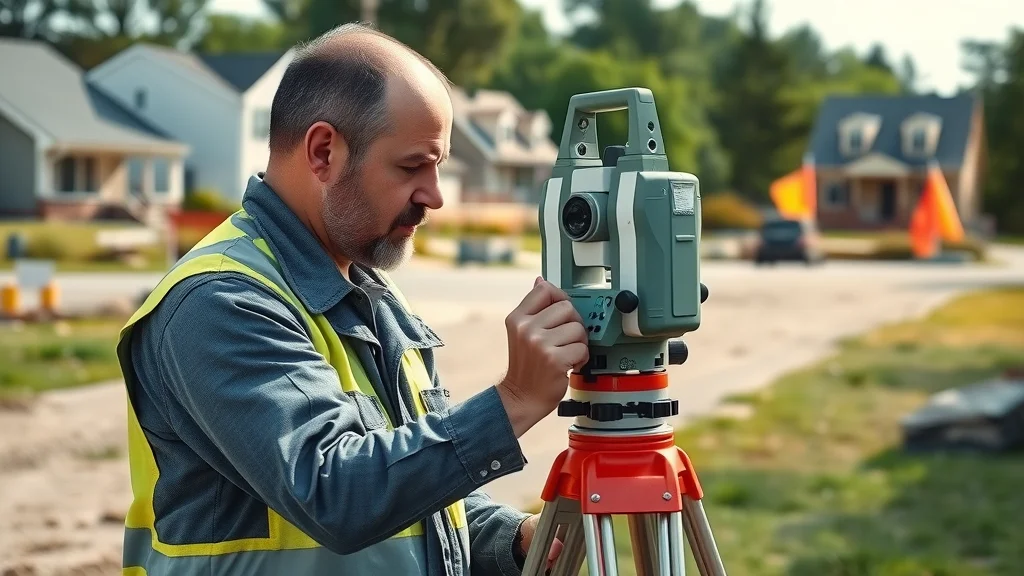
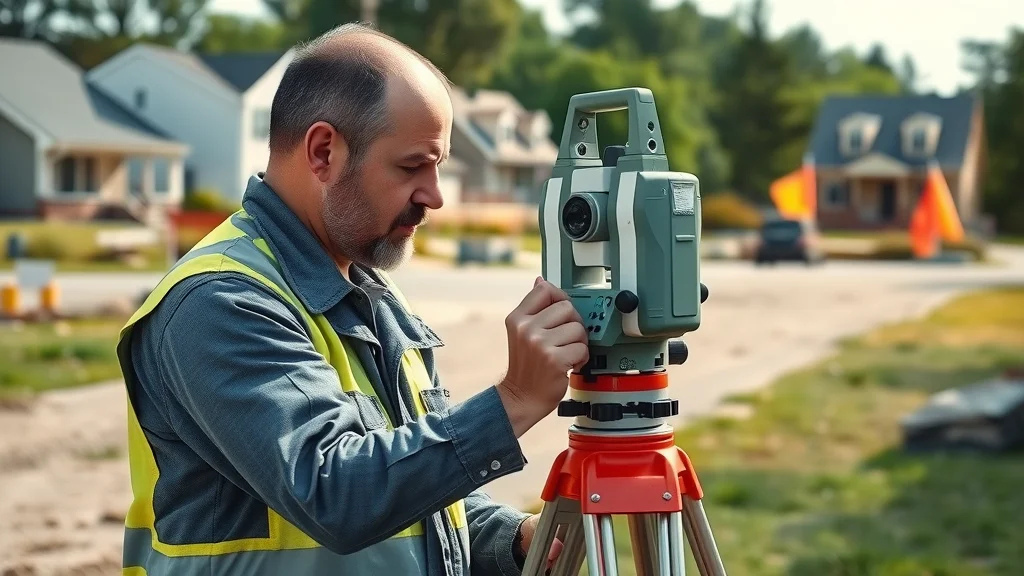
An existing condition survey is a specialized assessment that captures the current physical state of a property. This land survey documents visible features—topography, boundaries, structures, pavement, landscaping, utilities, and even subtle terrain changes—before new construction or renovation begins. In Massachusetts, these surveys are an essential starting point for both residential homeowners and commercial developers, establishing a reliable baseline for real estate projects and ensuring legal compliance with local regulations. Unlike a simple boundary survey, the existing condition survey delivers a comprehensive “snapshot” of a property’s real condition. Surveyors utilize advanced tools (like total stations, GPS units, and drone mapping) to deliver accurate, high-detail survey reports that serve as a foundation for design, permitting, and construction planning. Understanding your property’s real conditions from the outset helps reveal potential obstacles, unexpected site features, or corrections needed before work starts, saving money and reducing costly surprises later on.
When Do You Need an Existing Condition Survey in Massachusetts?
Property owners and developers require an existing condition survey in Massachusetts any time they advance significant real estate projects—especially during new builds, major additions, or structural renovations. Town authorities or lenders often mandate this as part of the permitting process, or to verify that new designs adhere to zoning, setback, and property boundary requirements. These surveys are also recommended when buying land, resolving disputes over property lines, preparing ALTA surveys for commercial transactions, or when detailed understanding of site conditions is necessary for project planning. Choosing the right survey type at the outset—based on regulatory requirements and project goals—ensures you invest wisely and gain the insights needed for a smooth, predictable development journey in Massachusetts’ complex real estate market.
Why Existing Condition Survey Massachusetts Cost Matters for Real Estate Projects

Risks of Skipping a Land Survey or Underestimating Survey Cost
Deciding to skip or cut corners on land surveys can result in significant risks for property owners. Without a properly executed existing condition survey, it’s all too easy to misjudge property boundaries, hidden terrain challenges, or utility locations—issues that may halt construction or demand expensive corrections. For Massachusetts real estate, survey cost should be viewed as a foundational investment, not an optional add-on. Underestimating land survey costs can expose you to legal disputes with neighbors, fines for building outside your property lines, or even demolishing newly built sections that violate local regulations. Survey reports arm owners and developers with verified, up-to-date site information, preventing disputes and ensuring every stakeholder (architect, builder, bank, and city inspector) is working from the same, accurate site baseline. Investing early in a thorough survey saves stress, time, and potentially tens of thousands of dollars in last-minute fixes or litigation.
Impact on Real Estate Transaction and Construction Budget
During a real estate transaction, the absence or inaccuracy of a land survey can derail deals or trigger renegotiations. Buyers, sellers, and banks in Massachusetts increasingly see the value of having up-to-date site surveys, using them to settle questions about property lines, easements, and encroachments. An accurate existing condition survey keeps all parties informed—protecting the transaction from unwelcome surprises and smoothing the path to closing. On the construction side, well-documented site conditions prevent “scope creep” by providing designers and contractors with precise, current data. This helps avoid delays, change orders, and expensive rework, keeping your construction budget on track. In Massachusetts, where local regulations are stringent and weather can impact timelines, clear understanding of the survey cost—factored into your budget from day one—can mean the difference between a project’s success or failure.
Key Types of Land Survey in Massachusetts and Their Costs

Boundary Survey and Property Boundaries
One of the most common surveys in Massachusetts is the boundary survey. This type of land survey focuses on defining the precise legal boundaries of a property. Property owners, buyers, and developers rely on these to establish accurate property lines, resolve disputes, and ensure building compliance with zoning laws. The survey usually involves reviewing historical deeds, fieldwork using advanced measuring instruments, and setting or verifying property markers. In Massachusetts, the cost of a boundary survey can range widely—from $700 for small residential lots to over $2,000 for larger or more complex parcels. The price depends on factors like property size, terrain, clarity of boundary records, and the extent of research the surveyor must conduct. Clear property boundaries prevent future encroachments, unauthorized usage, and help ensure a smooth estate transaction.
Topographic Survey and ALTA Survey Costs
A topographic survey goes a step further than just boundaries, mapping natural and man-made features like elevation changes, trees, drainage patterns, utility locations, and ground contours. Civil engineers and architects rely on topographic surveys for design and permitting—especially important in Massachusetts, where older neighborhoods and mixed terrain are common. These surveys typically cost between $1,000 and $3,000 based on detail, coverage area, and site difficulty. An ALTA survey (American Land Title Association), required for many commercial transactions, combines boundary, topographic, and additional information to satisfy lending and title insurance standards. ALTA surveys represent the highest level of due diligence and, accordingly, can cost $2,500 to $5,000 or more. Choosing the correct survey type ensures your project meets lender, municipal, and legal requirements while controlling overall survey cost.
Choosing the Right Survey Type for Your Project
Selecting an appropriate land survey type depends on your project’s stage and regulatory requirements. Boundary surveys suffice for basic property line determination, but if construction is planned, a full existing condition or topographic survey is advisable. Commercial transactions nearly always require an ALTA survey. Consult a seasoned Massachusetts land surveyor who can explain the differences, provide a clear quote, and help you avoid unnecessary fees. By understanding the survey type needed and communicating project goals with your surveyor, you improve cost control and project predictability.
| Survey Type | Scope & Features | Average Cost Range (MA) | When to Use |
|---|---|---|---|
| Boundary Survey | Property lines, corners, encroachments, legal verification | $700 – $2,000 | Buying/selling, disputes, setting fences |
| Topographic Survey | Elevation, land contours, features, utilities | $1,000 – $3,000 | Pre-construction, site design, grading |
| ALTA Survey | Boundary, topography, title data, easements | $2,500 – $5,000+ | Commercial transactions, lender/title needs |
| Existing Condition Survey | Comprehensive site detail (structures, features, utilities, paved areas) | $1,200 – $3,500+ | Major renovations, additions, municipal permits |
Factors Influencing Existing Condition Survey Massachusetts Cost
Property Size and Complexity
The size and complexity of your property are among the biggest factors driving the existing condition survey Massachusetts cost. Larger parcels require more time for fieldwork and data analysis, while irregular shapes, steep topography, and heavy tree cover demand greater effort and special equipment. For example, a simple half-acre residential lot with easy access will cost less than a sprawling, wooded multi-acre lot or a property with multiple structures and mixed terrain. Surveyors analyze these variables before quoting, so the more complicated your site, the higher the survey cost. Seeking out a precise estimate from a local land surveyor—who can evaluate your property’s unique features—ensures a realistic project budget.

Location and Local Regulations
Location matters. Survey costs in urban or densely settled areas of Massachusetts tend to be higher due to greater regulatory scrutiny, denser utility networks, and required permits for road and sidewalk access. Conversely, rural areas may pose access or terrain challenges. Every Massachusetts municipality has specific requirements for surveys—dictating which features must be documented, methods used, and documentation standards. These local regulations can increase the extent and complexity of the work, adding to overall survey costs. The best approach is to work with a surveyor familiar with your municipality’s rules to avoid compliance delays and unexpected fees.
Time of Year and Market Demand
The timing of your survey can influence price and turnaround time. In Massachusetts, surveyors are often busiest in late spring, summer, and early fall—prime construction seasons. High demand can increase costs and lead to longer scheduling delays. Bad weather, such as snow cover in winter or dense foliage during peak summer, can make fieldwork slower and less accurate, sometimes resulting in higher fees. Planning your survey in advance and targeting off-peak months may save money and ensure a faster project start. Always ask your surveyor about possible timing impacts and their recommendations.
Land Surveyor Experience and Credentials
The quality, accuracy, and reliability of your existing condition survey hinges on the expertise of the land surveyor you hire. Licensed, experienced professionals may charge higher fees but deliver compliant, detailed, and respected survey reports. Less experienced or unlicensed providers sometimes offer lower prices, but the risks—from inaccurate measurements to rejected permit applications—almost always outweigh minor savings. Verifying your surveyor’s credentials, insurance, references, and local experience is an investment in peace of mind, helping you avoid more expensive corrections and disputes down the line.
Average Cost of Existing Condition Survey in Massachusetts
Recent Survey Cost Data and Real Examples
Massachusetts survey costs have risen in recent years, reflecting higher demand, stricter regulatory requirements, and increased labor expenses. Today, a typical existing condition survey for a single residential lot might cost $1,200 to $2,000, depending on size and documentation needs. For multifamily, commercial developments, or complex sites, prices rise to $2,500 – $3,500 or more. Ask your surveyor for recent examples, including what was included in each package, to benchmark your quote accurately. Knowing these cost ranges empowers you to evaluate quotes critically and understand what contributes to higher or lower pricing.
“The average cost of a land survey in Massachusetts can range significantly—from $800 to over $3,000 based on property and project details.” – Local Land Surveyor
What Affects the Average Cost for Land Surveys and Existing Condition Surveys?
Beyond basic size and complexity, several factors can affect the average cost of a land survey in Massachusetts. Detailed documentation, such as digital CAD files or extra map layers, can drive up the price. If a property has legal disputes, missing markers, or requires extensive historical deed research, surveyors may charge more due to added labor. Rush jobs or short-notice requests often come with premium fees. Conversely, well-documented sites with easy access, clear paperwork, or a previous recent survey may qualify for lower rates. Always ask your land surveyor to break down what’s included in their survey report and to itemize any recommended additional services to avoid surprise charges.
How to Avoid Overpaying for Existing Condition Survey Massachusetts Cost
- Request multiple quotes from certified surveyors
- Understand what is included in the survey report
- Ensure completion of all required survey types
- Consider future real estate transaction needs
One of the best ways to avoid overpaying is to request at least three quotes from qualified, local Massachusetts land surveyors. Each quote should break down what survey type is included, the scope of deliverables, and the time frame. Be wary of unusually low bids that may skip key details or use outdated techniques. Clarify exactly what is included—such as marked property boundaries, digital maps, or annotated CAD files. If you anticipate a future real estate transaction, plan for a survey with sufficient detail to satisfy banks, buyers, or municipal officials, so you don’t need to pay again later for missing documentation. Always choose licensed, insured professionals whose work is recognized by Massachusetts municipalities and lenders.
Watch:
People Also Ask: Existing Condition Survey Massachusetts Cost
How much does a property survey cost in Massachusetts?
The cost range for a property survey in Massachusetts varies based on property size, survey type, and project details, but most residential surveys typically cost between $800 and $2,500. Complex commercial, multi-acre, or existing condition surveys may push the price to $3,500 or higher. Request detailed, written quotes to understand what’s included and compare local options.
How much should you pay for a survey?
You should expect to pay a fair rate that matches your property’s complexity and survey requirements. For basic residential lots, $1,200 – $2,000 is typical. For more complex or commercial sites, costs may be higher. Always verify your land surveyor’s experience and ask what survey types your municipality or lender requires before hiring.
Who typically pays for the cost of a survey?
In most Massachusetts real estate transactions, the buyer is responsible for ordering and paying for a new property survey—especially if lenders require an updated survey report for financing or insurance. However, some sellers may provide recent survey documentation to speed up closing or resolve disputes. Always confirm survey requirements and payment responsibilities in your sale or development agreement.
What is the cheapest type of land survey?
The most affordable land survey is usually a basic boundary survey, intended solely to define property lines without detailed feature mapping or topography. These surveys can cost as little as $700 to $1,200, depending on the lot size and existing documentation. The scope and accuracy of the report should always match your planned use, as opting for the cheapest option may result in costly issues later if additional data is required.
Comprehensive FAQ: Navigating Land Survey Costs in Massachusetts

- What drives the cost of a survey in Massachusetts?
Property size, complexity, surveyor experience, survey type, local regulations, and the time of year all impact land survey costs. - Can existing condition surveys reduce real estate risk?
Yes. These comprehensive surveys reveal issues before they disrupt projects or sales, helping to avoid legal, financial, or construction complications. - Are there state-wide requirements for land survey in Massachusetts?
Yes. Massachusetts municipalities and state authorities have specific documentation and procedural requirements for permitting, real estate transactions, and property record keeping; always use a licensed professional familiar with your area.
Discover:
Key Takeaways for Existing Condition Survey Massachusetts Cost
- Existing condition surveys protect your investment during estate transactions and construction
- Average cost depends on type, size, and surveyor expertise
- Compare surveyor quotes to avoid overpaying
- Regulatory requirements can impact survey costs significantly
Ensure the Right Price: Next Steps for Your Existing Condition Survey in Massachusetts
- Ready to avoid costly mistakes? Get Your Land Survey Today
Conclusion: Don’t let your project get derailed by unseen costs. Get the right existing condition survey—at the right price—by staying informed and working with trusted professionals.
If you’re ready to take the next step in safeguarding your property investment, there’s even more to explore about Massachusetts land surveying and civil engineering. The team at Prime Engineering offers a wealth of expertise, from in-depth survey guidance to advanced engineering solutions tailored for local regulations and unique site challenges. Whether you’re planning a residential build, a commercial development, or simply want to understand your property’s full potential, their comprehensive approach can help you navigate every phase with confidence. Discover how a strategic partnership with experienced professionals can streamline your project and deliver lasting value by visiting Prime Engineering’s Massachusetts land surveying and civil engineering resource.
Sources
- Mass.gov – Types of Land Surveys
- HomeAdvisor – Land Survey Cost
- Bankrate – Land Surveying Costs
- Prime Engineering – Land Surveys in Massachusetts
Understanding the costs associated with existing condition surveys in Massachusetts is crucial for property owners and developers to avoid unexpected expenses. According to Millman Land, the cost of hiring a land surveyor in Massachusetts varies based on property size, project complexity, and the type of survey needed. For instance, boundary surveys typically range from $600 to $2,000, while ALTA/NSPS surveys can cost between $1,500 and $5,000 or more, depending on the level of detail required. (millmanland.com)
In urban areas like Boston, the average cost for a land surveyor ranges from $562 to $730, with potential variations from $303 to $1,138. These estimates are based on actual data from completed projects and are valid through early 2026. (homeyou.com)
It’s important to note that factors such as property size, terrain complexity, and local regulations can influence survey costs. Therefore, obtaining multiple quotes from certified surveyors and understanding the specific requirements of your project can help in managing expenses effectively.