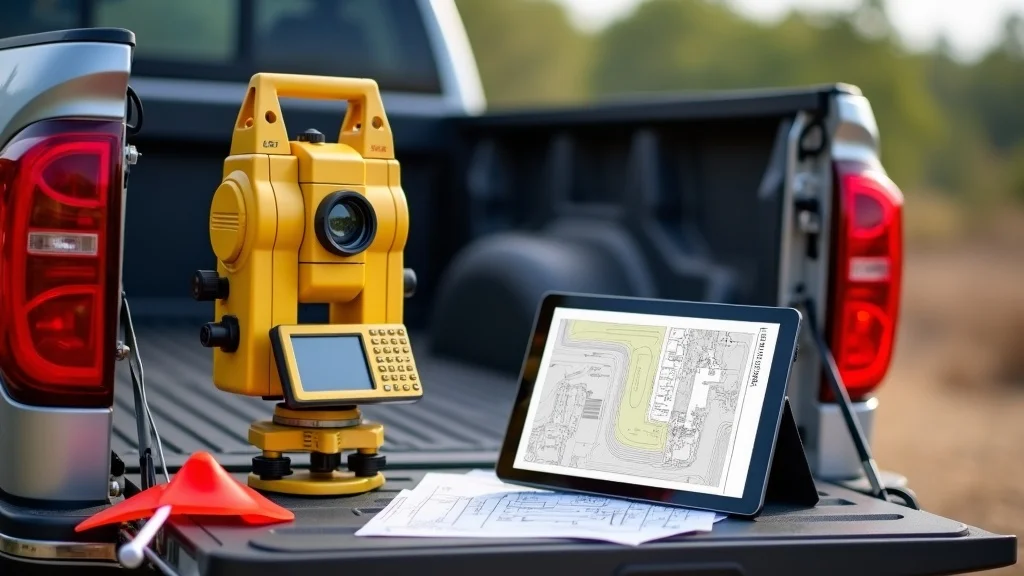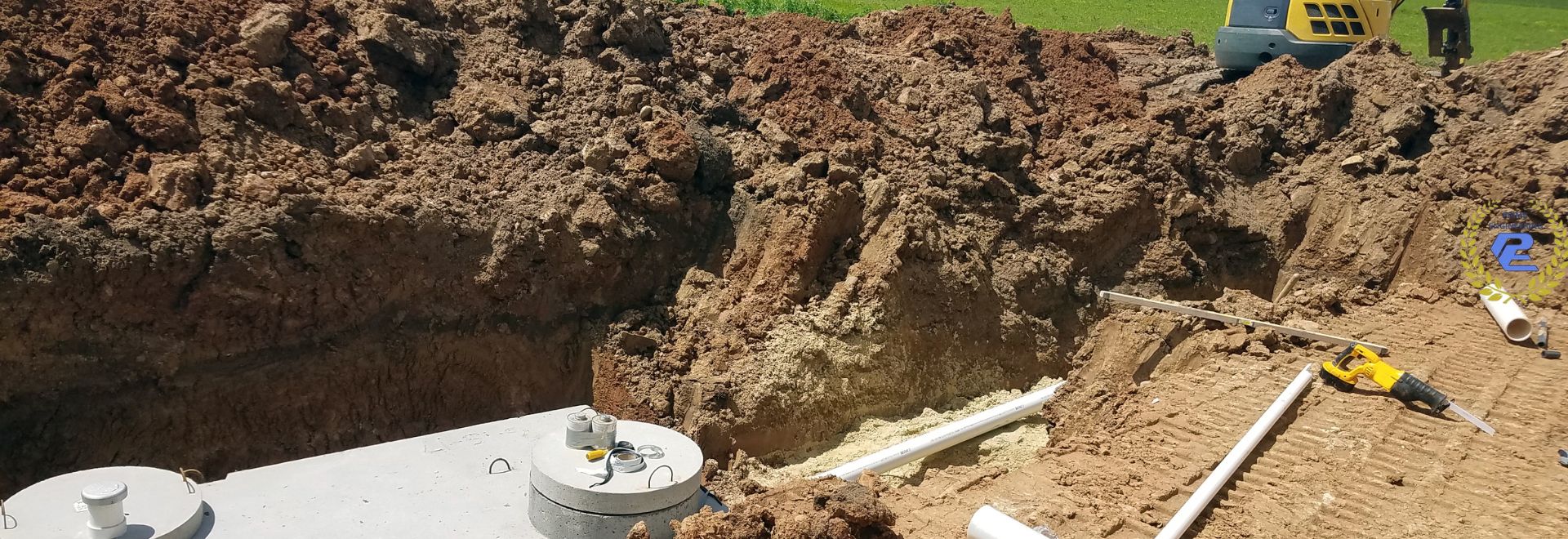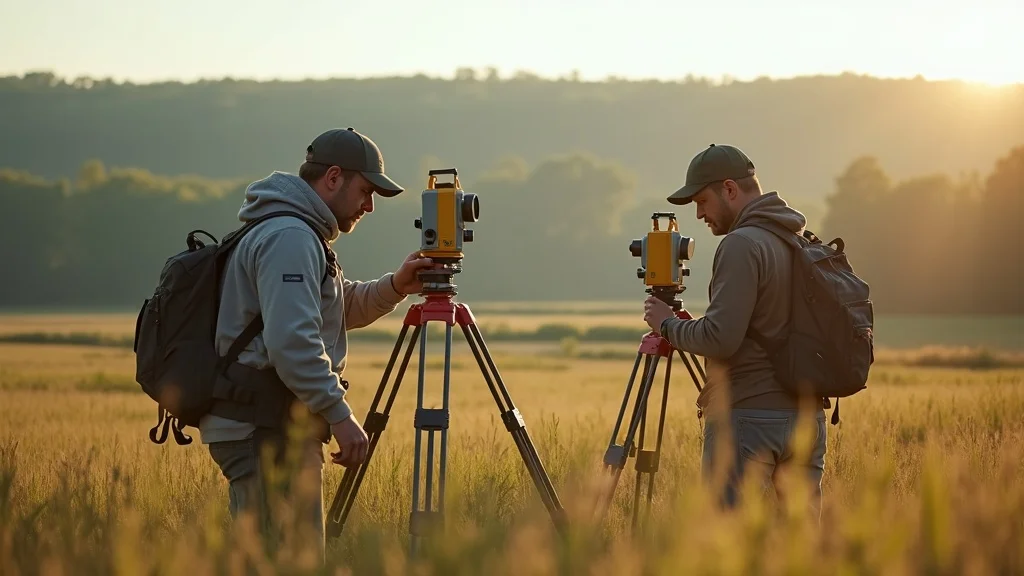
Inside Look at Land Survey Equipment Revolutionizing Accuracy Lakeville, MA
Did you know? A single misplaced boundary marker in Massachusetts can cost homeowners and developers tens of thousands of dollars in legal fees or project delays. Today, land survey equipment delivers precision measured in millimeters, virtually eliminating these expensive setbacks. Discover the game-changing technology and expert insights enabling Lakeville, MA projects to meet the state’s strict regulatory standards—while staying on time and under budget.
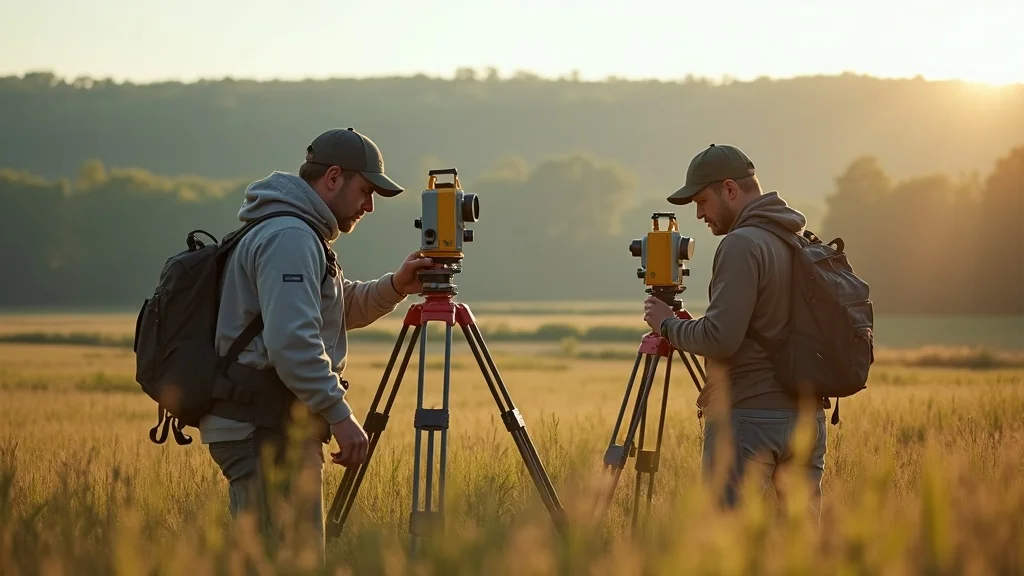
Startling Advancements in Land Survey Equipment: A Data-Driven Look
A decade ago, most surveying equipment could measure distances to the nearest inch, but required hours in the field, manual data entry, and left room for human error. Today, robotic total stations, satellite-connected GNSS receivers, and touchscreen data collectors have transformed the industry. According to recent statistics, adopting these tools in Massachusetts has reduced survey turnaround times by up to 40% and boosted boundary survey accuracy to sub-centimeter levels—a standard now demanded by local boards and Conservation Commissions.
Smart automation is now core: modern survey equipment integrates directly with CAD/GIS software, allowing data to move seamlessly from the field to design teams. Advanced electronic distance meters and real-time GNSS receivers ensure surveys meet the elevation, boundary, and wetland proximity requirements unique to the Lakeville area. Whether you’re a homeowner considering an addition or a developer planning a subdivision, staying ahead with these technologies is no longer optional—it’s a necessity for compliance and cost control.
For those interested in a deeper dive into how these technologies are applied in real-world scenarios, you can explore a comprehensive overview of Massachusetts land surveying practices and equipment selection to see how local experts leverage these tools for maximum accuracy and regulatory compliance.
“Today’s land survey equipment delivers precision measured in millimeters—a leap that minimizes costly project errors.” —Prime Engineering Team
What You’ll Learn About Land Survey Equipment in Lakeville, MA
- Which survey equipment and surveying equipment achieves the highest accuracy per Massachusetts standards
- How total station, GNSS receiver, and data collector revolutionize site surveys
- Key benefits of modern land survey technology for compliance and project approvals
- How to select the best land survey equipment for your Lakeville-based project
- Comparative insights for homeowners, architects, and developers needing survey equipment
Why Accuracy in Land Survey Equipment Matters for Lakeville, MA Projects
In Lakeville, the difference between passing an inspection and starting over often comes down to the accuracy of your land survey equipment. Massachusetts building codes, Conservation Regulations, and local wetland standards require pinpoint precision. Choosing equipment like a highly accurate total station or a calibrated GNSS receiver can mean the difference between fast project approvals or lengthy, costly, unexpected delays.
Technical mastery isn’t just for contractors. For homeowners, the right surveying equipment protects you from unwanted property disputes and ensures new buildings or additions don’t trespass protected wetlands or buffer zones. Developers and architects depend on reliable data collection for design and permitting—accuracy is not just a technical requirement, but a critical risk control for every Lakeville project.
From Zoning to Wetlands: Regulatory Precision with Modern Surveying Equipment
Lakeville, MA, like much of the state, is governed by strict environmental and zoning laws. Boundaries and setbacks must be certified with high precision to comply with conservation commission requirements and the Massachusetts Wetlands Protection Act. Instruments like total stations and GNSS receivers have made it possible to meet these demands, mapping out irregular lots, wetlands, and floodplain boundaries down to a few millimeters. This level of precision dramatically de-risks projects, reducing the potential for failed permits, Conservation Commission denials, or neighborhood disputes over property lines.
Did you know that Lakeville’s Conservation Commission often requires full digital documentation and periodic re-surveys for projects near wetlands? Modern survey equipment enables surveyors to deliver these required formats directly, cutting weeks from approval cycles and assuring compliance—even as regulations evolve.

Impact of Land Survey Equipment on Site Development and Project Timelines
The role of advanced land survey equipment extends beyond compliance. For contractors and developers, accurate initial surveys speed up construction planning, staking, and site layout. Robotic total stations automate point collection, minimizing human error and enabling just one surveyor to cover large areas that used to require a full crew. Meanwhile, integrated data collectors and GNSS receivers feed results directly into digital site plans, accelerating approvals and handoffs between field and office.
When timelines shrink, so does cost exposure. One missed boundary marker or poorly aligned foundation can result in expensive rework. Using state-of-the-art surveying equipment in Lakeville ensures your project hits every milestone without expensive setbacks—whether you’re breaking ground on a subdivision or simply fencing your backyard.
Land Survey Equipment: Core Technologies Shaping the Industry
Behind every approved project in Lakeville is a suite of advanced surveying equipment—purpose-built for Massachusetts’ demanding terrain and regulatory needs. Here’s a look at how core technologies like total stations, GNSS receivers, and modern data collectors revolutionize accuracy, efficiency, and compliance for Lakeville land surveys.
From the robust durability required for unpredictable New England weather to the seamless integration with GIS/CAD systems, these tools ensure that every project, no matter the scale, stands on a foundation of measurable precision.
Total Station Innovations in Land Survey Equipment
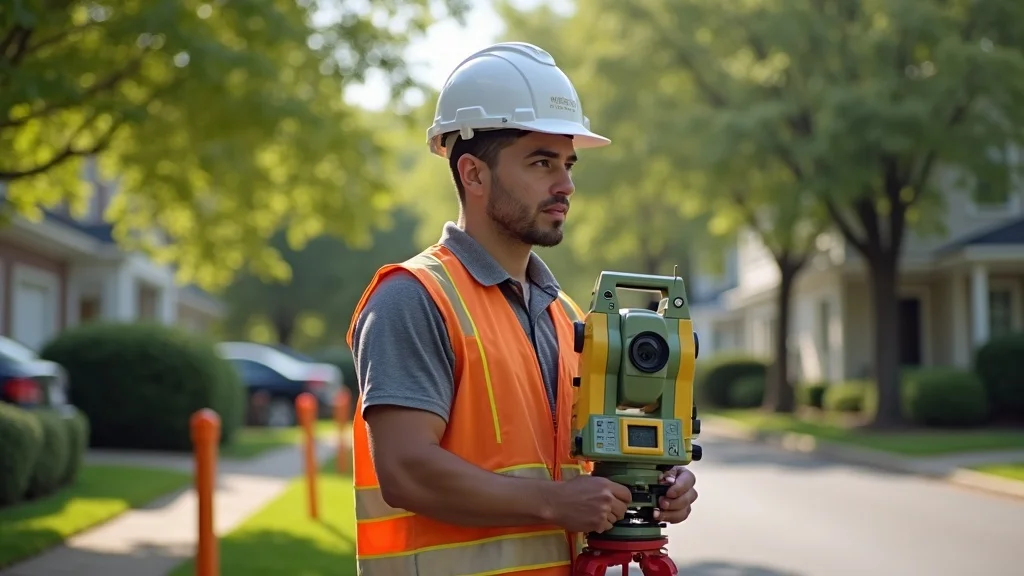
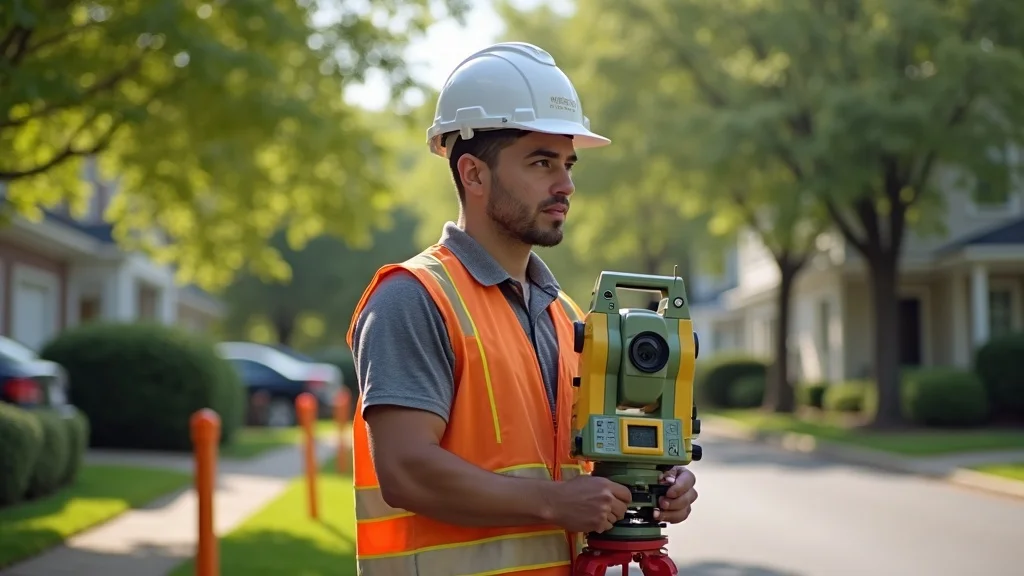
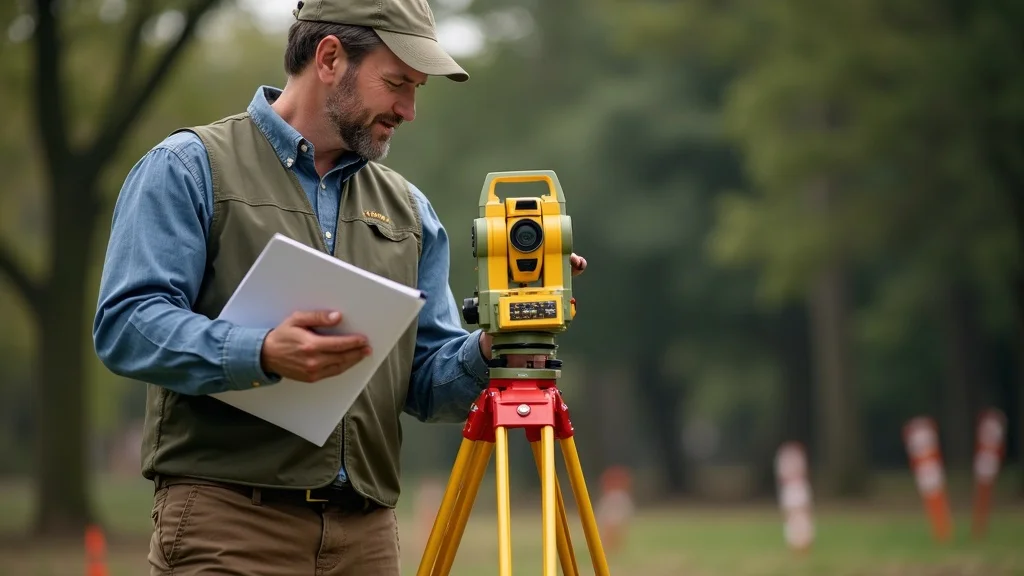
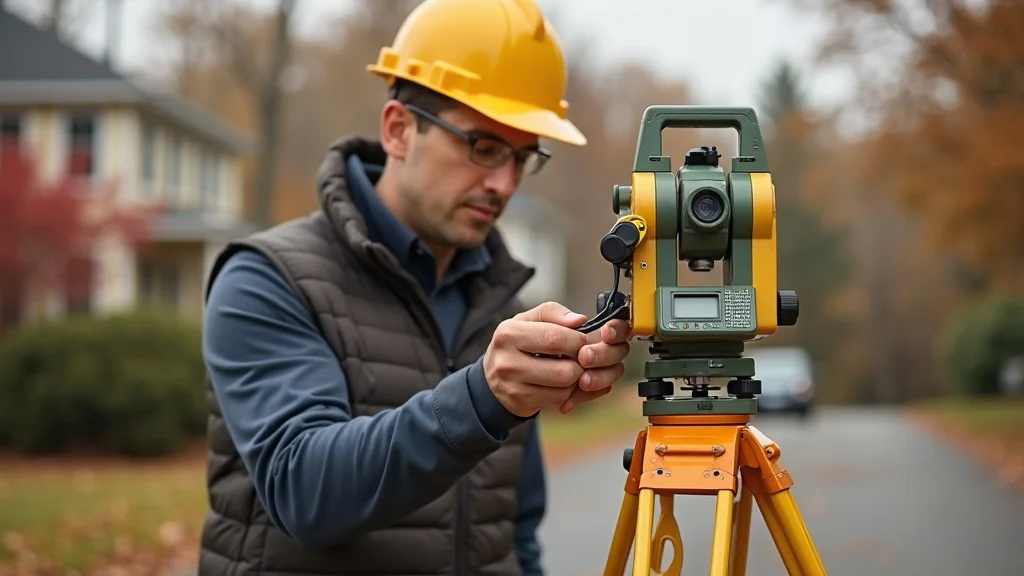
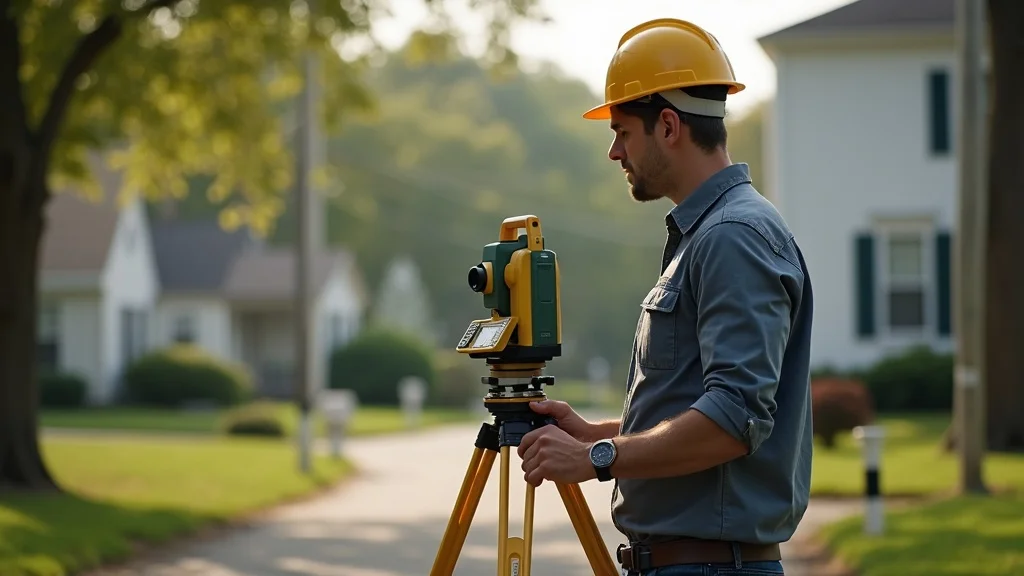
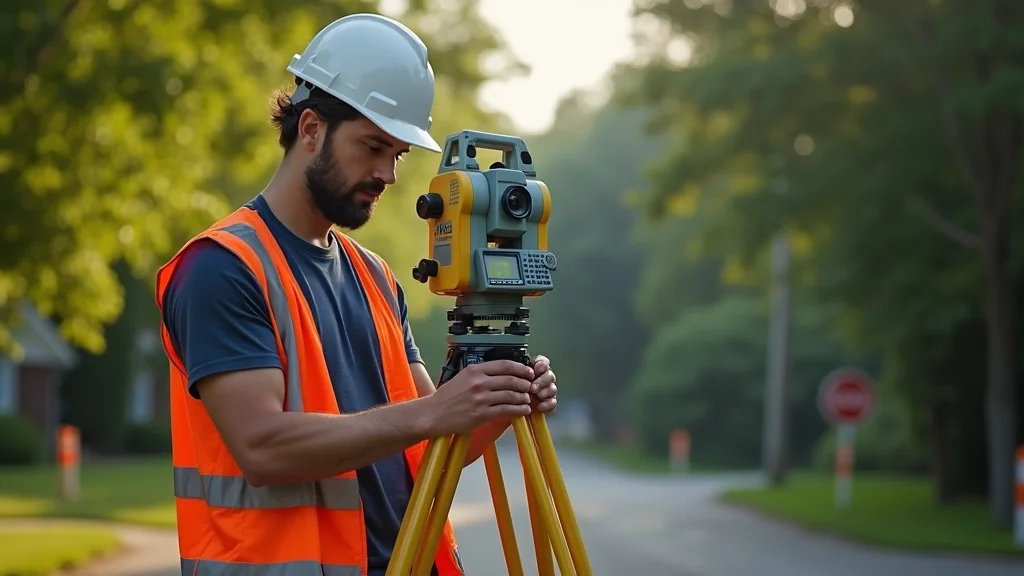
Robotic total stations are at the forefront of modern surveying equipment. Unlike traditional instruments, they automate angle and distance measurement, track a surveyor’s prism, and wirelessly transmit data to field devices. For Massachusetts projects, particularly those in Lakeville with complex topography, total stations enable boundary surveys with sub-millimeter precision—making them indispensable for architects and engineers responsible for construction layout and as-built documentation.
Innovations such as integrated laser scanners and hybrid “one-man” operation give total stations unmatched site flexibility. Surveyors can now quickly and accurately measure distances, plot elevation, and log every detail—from utility easements to subtle grade changes. This is vital for both new builds and historic renovations where precision is key to regulatory approval and long-term property value.

GNSS Receivers: Enhancing Survey Equipment for Real-Time Data
Global Navigation Satellite System (GNSS receivers) represent a leap in survey equipment accuracy and speed. For land surveys in Lakeville, GNSS receivers can acquire real-time, centimeter-level position data—critical for property boundary surveys, grading plans, and FEMA floodplain determinations. Unlike older GPS units, advanced GNSS systems support Massachusetts coordinate systems and can maintain accuracy even under thick canopy cover or near wetlands.
In addition, features like RTK (Real-Time Kinematic) corrections and network integration make these units highly responsive. With multiple satellite constellations, surveyors can work in challenging Lakeville terrain, minimizing downtime and ensuring that site information flows instantly into planning and engineering workflows. This capability enables rapid project startup and consistent compliance with evolving state and local regulations.
Data Collectors: Streamlining Survey Equipment Workflow
A modern data collector is the nerve center of every survey team. These rugged, touchscreen devices integrate with total stations and GNSS receivers, running specialized software to support digital mapping, stakeout, and automated data logging onsite. For Lakeville surveys, a robust data collector ensures all field data is instantly uploaded to project files, reducing the risk of transcription errors and speeding data integration into CAD or GIS environments.
Newer models offer wireless data sync, integrated cameras, and geo-tagging, further enabling regulatory reporting. Their intuitive interfaces require minimal training, allowing surveyors (and even non-experts) to verify critical benchmarks for zoning, wetlands protection, and construction staking directly from the field in weather-resistant hardware.
Key features to compare:
- Accuracy ratings
- Field durability
- Data integration benefits
Comparing the Best Land Survey Equipment for Lakeville, MA
Selecting the right land survey equipment is both a technical and a regulatory decision in Massachusetts. The following comparison highlights the primary options used in Lakeville, considering cost, compliance, and field accuracy:
| Surveying Equipment | Key Features | Compliance (MA) | Cost | Accuracy |
|---|---|---|---|---|
| Total Station | Robotics, Laser | Yes | $$$ | <1mm |
| GNSS Receiver | RTK, Durable | Yes | $$ | 1-2cm |
| Data Collector | Touchscreen, Wireless | Yes | $ | Data quality |
How Modern Surveying Equipment Ensures Massachusetts Compliance
Lakeville projects face some of the most stringent environmental and zoning requirements in the state. Modern land survey equipment is engineered to support automated reporting, direct data upload into mandated formats, and seamless integration with state coordinate grids. With total stations, GNSS receivers, and digital data collectors, surveyors guarantee deliverables that meet or exceed every point of compliance required by the Lakeville Planning Board and Conservation Commission.
These technologies de-risk permit applications, avoid costly survey redos, and ensure timelines are met—whether for a single-family home near wetlands or a major infrastructure development. Selecting compliant survey equipment is not just about accuracy, but about enabling your project to move smoothly from planning to approval and beyond.
Land Survey Equipment and Local Regulations
In Massachusetts, regulatory bodies demand survey deliverables in formats compatible with MassGIS, MassDEP, and Conservation Commission records. Only advanced survey equipment—integrated total stations, GNSS receivers, and certified data collectors—can reliably create the topographic maps, boundary documentation, and wetland delineations needed for a successful Lakeville project.
For wetlands and buffer zones, Lakeville inspectors may require annual recertification using compliant equipment. This underscores the need for specialized accuracy, robust data logging, and hardware built for MA regulatory workflows. By working with a team—like Prime Engineering—that leverages the best technology, you ensure permits are streamlined, documentation is accurate, and legal risks are fully minimized.
“Compliant land survey equipment helps avoid legal setbacks and ensures seamless permit approvals for Lakeville, MA sites.” —Massachusetts Civil Engineer
Essential Features to Look for in Survey Equipment
Not all surveying equipment can withstand the rigors of Massachusetts weather or meet local compliance requirements. When choosing technology for a Lakeville project, consider these must-have features:
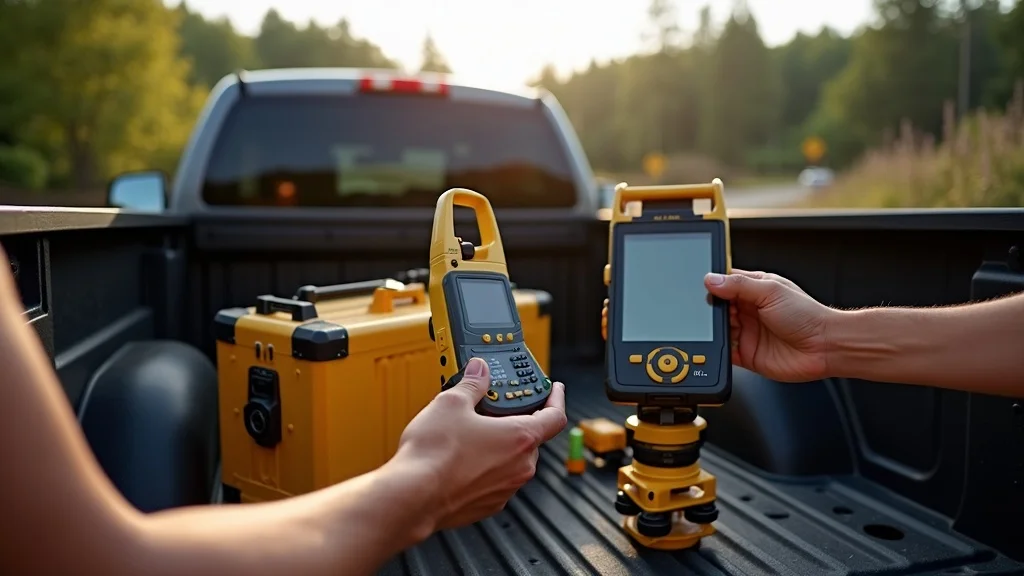
- Integrated data collector functionality
- Precision GNSS receiver compatibility
- User-friendly interfaces for field crews
- Durability for Massachusetts weather
Ruggedness ensures your equipment won’t fail mid-survey, while intuitive design guarantees even non-engineers can avoid costly mistakes. Compatibility with digital platforms accelerates data transfer to architects, site planners, or regulatory agencies—delivering the speed and confidence required for successful, fully compliant projects.
Land Survey Equipment Reviews: Field Experience in Lakeville
What are Lakeville’s top surveyors saying about their equipment? Across dozens of local projects, Prime Engineering field teams have validated that investing in the right land survey equipment pays off in both compliance and time savings. Surveyors consistently note that robust total stations capture more data points with less effort, while modern GNSS receivers maintain their accuracy even near Lakeville’s dense tree lines and variable terrain.
Touchscreen data collectors have been especially praised by field crews, streamlining everything from stakeouts to digital mapping with just a few taps. The consensus: for Lakeville’s mix of open farmland, wetlands, and historic neighborhoods, only fully integrated, Massachusetts-compliant equipment ensures error-free deliverables and smoother approval processes.
Surveyors Assess Total Stations, GNSS Receivers, and Data Collectors
Lakeville field teams frequently report that advanced total stations and GNSS receivers make the biggest difference when it comes to tricky boundary survey work and topographic mapping. “One-person robotic total stations cut our field time in half,” notes a Prime Engineering project manager, “and GNSS receivers let us work even under heavy tree cover without losing accuracy.” Data collectors that sync wirelessly to the office reduce project turnaround by an average of three business days—a difference felt especially during tight permitting windows.
This synergy between devices is what truly defines the next generation of surveying equipment. Whether you’re a homeowner verifying a property line or a developer mapping a multi-lot subdivision, the feedback from Lakeville’s seasoned pros is clear: combining these high-tech tools makes every project more efficient, accurate, and regulation-ready.

Land Survey Equipment Pitfalls: What Local Professionals Say
Despite these advances, not all equipment is created equal. Some surveyors warn against using outdated or under-calibrated tools—especially imported models not built for Massachusetts conditions. These can cause errors in boundary surveys or fail to meet Conservation Commission data requirements, resulting in avoidable delays. Others cite data collectors with limited battery life or subpar software integration as common pain points in the field.
The lesson? For Lakeville projects, invest in devices specifically vetted for MA regulatory workflows—and insist on a team that maintains and calibrates each unit to state standards. Doing so dramatically reduces risk and ensures all project data stands up to both permitting scrutiny and the timelines of demanding construction projects.
People Also Ask: Common Questions About Land Survey Equipment in Lakeville, MA
What is the most accurate type of land survey equipment?
Answer: The total station is often considered the most accurate land survey equipment, offering sub-millimeter precision ideal for detailed boundary surveys and site layouts in Massachusetts.
How does modern survey equipment handle Massachusetts-specific regulations?
Answer: Leading land survey equipment is designed to meet or exceed Massachusetts compliance standards, supporting automated data collection and reporting formats required for local permitting and wetlands protection.
Are all GNSS receivers suitable for surveying in Lakeville’s terrain?
Answer: Not all GNSS receivers are equal—select models that explicitly support Massachusetts coordinate systems and provide reliable accuracy even under canopy cover typical in Lakeville.
FAQs About Land Survey Equipment in Lakeville, MA
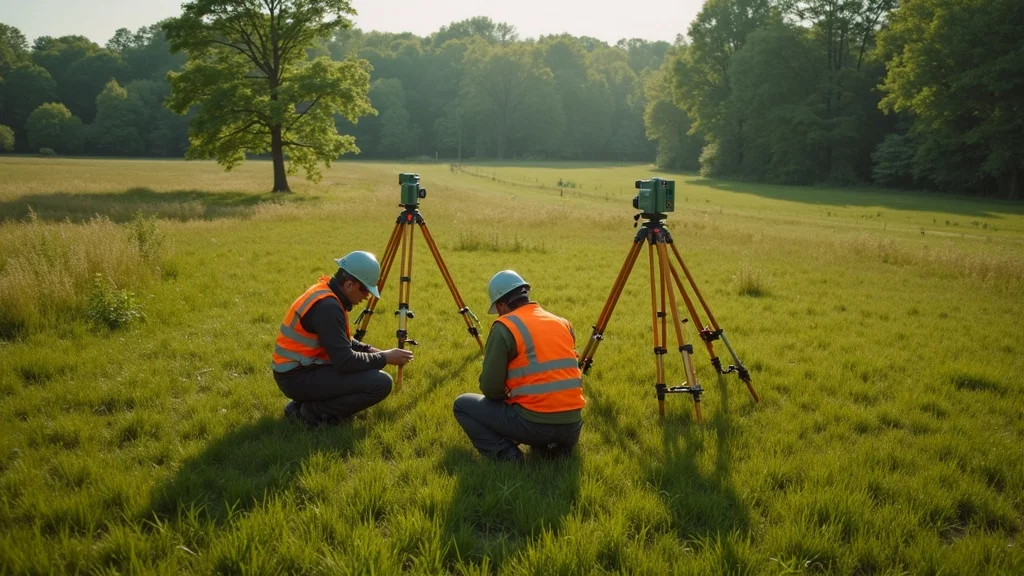
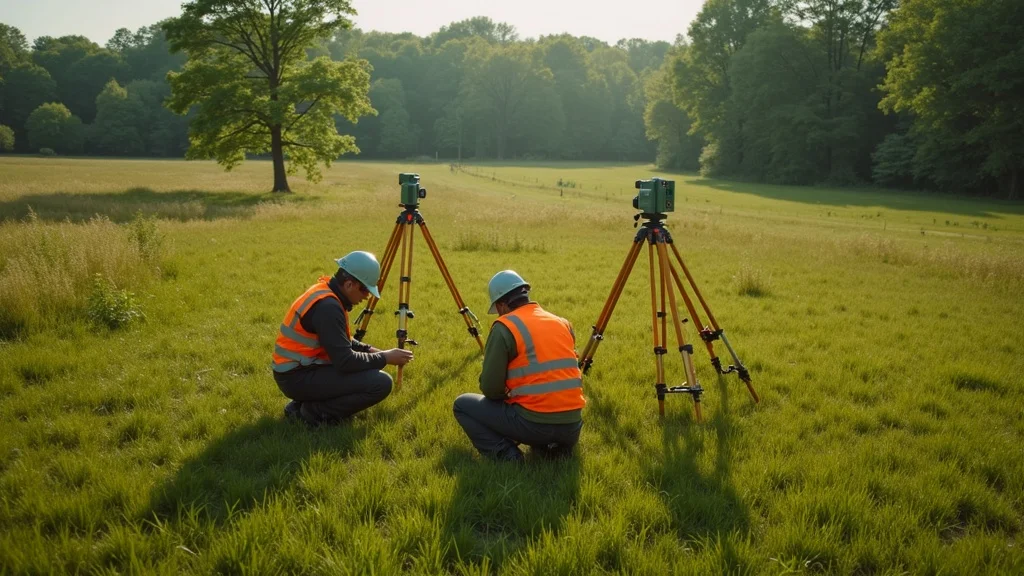
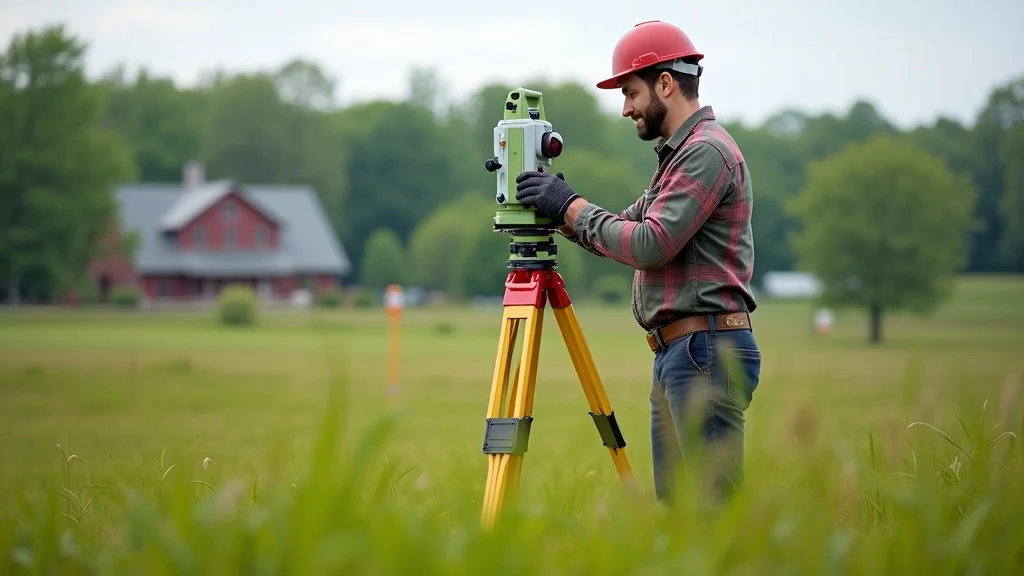
Scene demonstrating a modern land survey in progress in Lakeville, MA — field crew using a mix of total station, GNSS receiver, and wireless data collector, showing equipment setup, real-time data checking, and environmental challenges like light wind, shifting clouds, and diverse terrain; professional, educational tone, steady video with smooth pans, shots transition from equipment setup to digital mapping display.
- Can I rent or lease land survey equipment in Lakeville?
Yes, several equipment vendors and engineering firms in the Lakeville area provide flexible rental or leasing options for total stations, GNSS receivers, and data collectors. This can be ideal for short-term projects or infrequent survey needs. - What certifications do survey equipment need to meet for MA compliance?
Massachusetts requirements include accuracy certifications for boundary and wetland surveys, typically tied to MassDOT, MassDEP, and ANSI/NSPS industry standards. Work with a survey provider that regularly calibrates and certifies their equipment. - How quickly can survey equipment data be integrated into CAD or GIS deliverables?
With modern digital survey equipment, field data can often be uploaded and integrated with CAD or GIS platforms the same day—dramatically speeding up project timelines and review cycles in Lakeville.
Key Takeaways: Why Advanced Survey Equipment is Essential for Lakeville Projects

- Modern land survey equipment maximizes project accuracy and compliance
- Choosing the right survey equipment reduces delays and legal risks in Massachusetts
- User-friendly interfaces and real-time data features improve efficiency on every project
Next Steps: Get Your Land Survey Today for Precision and Compliance in Lakeville
Ready to take the next step?Get Your Land Survey Today with Prime Engineeringfor accuracy, compliance, and local expertise.
If you’re looking to further expand your understanding of how land surveying fits into the bigger picture of site development and civil engineering in Massachusetts, Prime Engineering offers a wealth of resources and expert guidance. Their team not only utilizes the latest survey equipment but also provides strategic insight into regulatory trends, permitting, and project management across the state. By exploring their comprehensive Massachusetts land surveying and civil engineering solutions, you can discover advanced strategies to streamline your next project, avoid common pitfalls, and ensure long-term success from planning through construction.
Sources
- https://www.mass.gov/info-details/massachusetts-wetlands-protection-act-regulations – Massachusetts Wetlands Protection Act Regulations
- https://www.mass.gov/orgs/massgis-bureau-of-geographic-information – MassGIS Bureau of Geographic Information
- https://primeengineering.org – Prime Engineering
To further enhance your understanding of modern land survey equipment and its applications, consider exploring the following resources:
-
“Total station”: This comprehensive article provides an in-depth look at total stations, detailing their functions, applications, and technological advancements that have revolutionized surveying accuracy. (en.wikipedia.org)
-
“Ground-penetrating radar”: This resource delves into the principles and uses of ground-penetrating radar, a non-intrusive method that employs radar pulses to image subsurface structures, enhancing the detection of underground utilities and geological features. (en.wikipedia.org)
By exploring these resources, you’ll gain valuable insights into the cutting-edge technologies that are transforming land surveying practices, ensuring precision and efficiency in various projects.